AI Chatbots and Mental Health: Can They Replace Your Therapist?
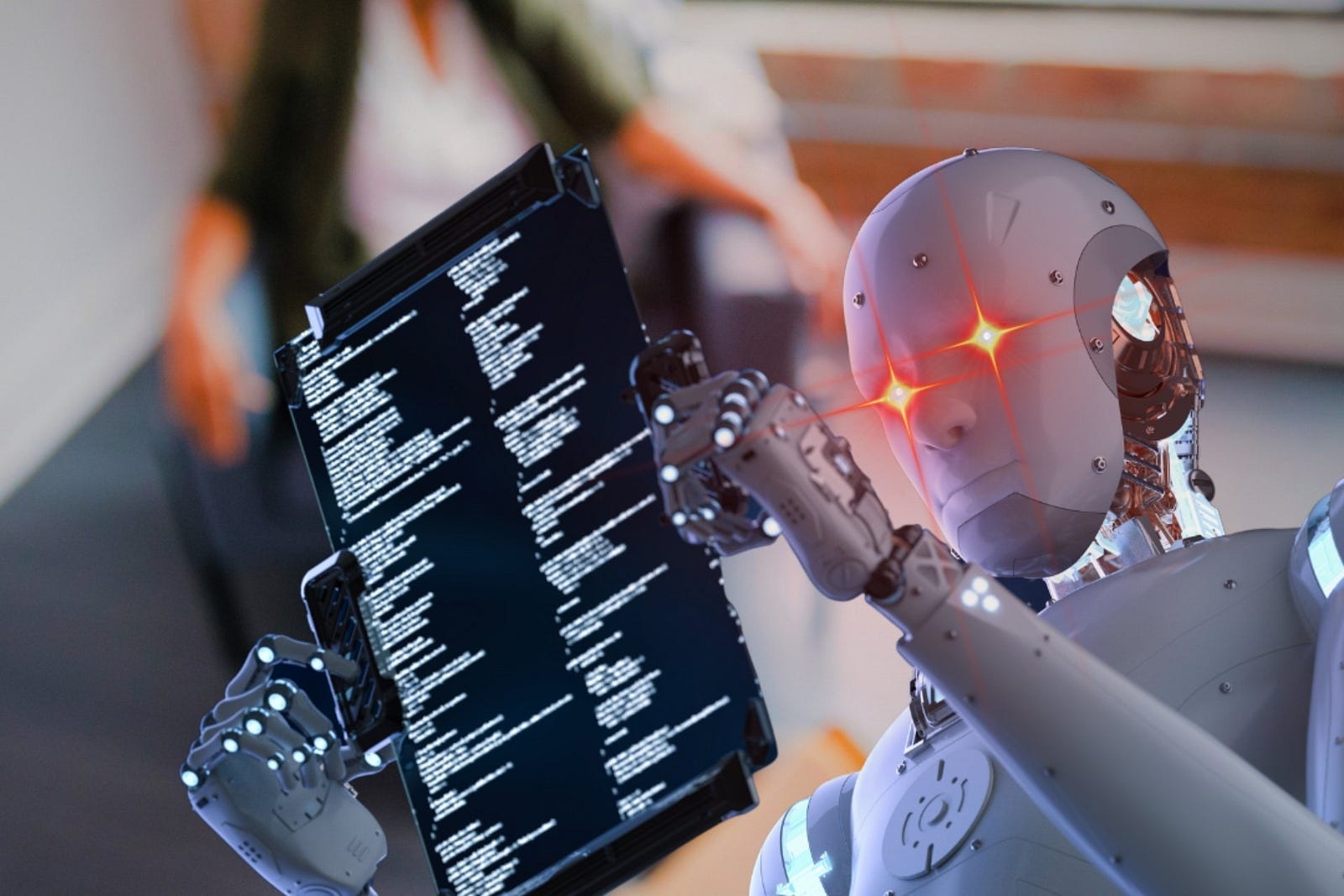
Being born in the 90s I have experienced tech and non-tech ways to gather information; from looking through books in the library, to interviewing other people, to typing my questions into the Google search bar. Seemingly, in the blink of an eye these tried-and-true methods have become a thing of the past.
As of recent, “AI” has made a rapid and permanent move into our day-to-day lives; being readily available to answer our questions in the blink of an eye. AI has been around for much longer than that, but user-friendly interfaces and lightning fast data collection has made it very appealing for many people to use. So, what’s the catch? Who wouldn’t want a faster and more efficient way to get work done, or find out the name of that song stuck in their head just by humming a tune. For many situations AI can be incredibly helpful… but not all. Specifically, with the emergence of AI being used as a replacement for therapy. As a therapist myself I can see the pros and cons of its use inside and outside of a therapeutic setting and I want to share those thoughts with you.
“Can an AI chatbot be my therapist?”
Totally fair question! I’ve heard many people tell me they use AI chatbots to teach them skills or help them to reframe situations they’ve struggled with understanding. AI chatbots are everywhere now and they may look/do different things. Some apps offer bots (not real people) that check in on you. Others may claim they can help with anxiety, depression, and even trauma. These bots are easy to use, always available, and often free or cheaper than seeing a real therapist.
But as someone who works closely with people during some of their hardest moments, I think it’s important to talk about what these chatbots can do and what they can’t. Don’t just take my word for it — reach out to others you may know about their own experiences with both therapy and using AI chatbots.
What Are AI Chatbots for Mental Health?
AI chatbots are computer programs that try to have a conversation with you. They use artificial intelligence to respond in ways that sound natural, friendly, or helpful. They can be tailored to the user’s preferences and refine responses based on information that’s imputed to them. I’m not going to lie…they can seem so much like a real person you may not know the difference!
These bots might:
- Ask how you’re feeling
- Give you breathing exercises
- Suggest journaling or meditation
- Offer positive messages
- Act like a “friend” who listens
For some people, especially those who are feeling lonely or overwhelmed, this can be comforting. But AI doesn’t understand feelings the way humans do, and that’s a big deal.
The Good News: Chatbots Can Be Helpful (Sometimes)
Like I said before, chatbots can be helpful in small ways. Being aware of what artificial intelligence is and how it functions is a great way to help keep things in perspective. I use it myself all the time!
If you just want a place to vent, a chatbot can give you a space to do that. If you’re learning new coping tools, a chatbot can remind you to practice them. It’s kind of like having a wellness app that talks back.
For some people, it feels easier to open up to a bot and have conversations than knowing they’re communicating with a real person. And for those who don’t have access to therapy, it might be the first step in caring for their mental health.
But we have to be clear: chatbots are not therapists. And they come with real risks.
The Danger: Chatbots Can Fail You During a Crisis
One of the biggest concerns I have as a therapist is how these bots respond when someone is in serious distress.
Imagine someone is feeling suicidal or dealing with abuse. They turn to a chatbot and type out what they’re going through. The bot might respond with something like, “I’m sorry to hear that. Would you like a breathing exercise?”
That’s not just unhelpful, it can be dangerous.
Chatbots aren’t trained to recognize warning signs the way a therapist is. They don’t know your history. They don’t know what’s safe or unsafe. And they can’t call for help if things get worse. I would rather have my life in the hands of someone I know can get me real, tangible, help than words on a screen. In the above scenario, I might even feel angry or invalidated at that “advice”.
In therapy, we take signs of crisis seriously. We listen carefully, ask the right questions, and help keep you safe. Chatbots just aren’t built to handle that.
Chatbots Are Not HIPAA-Compliant: Your Privacy Isn’t Protected
Another important difference: privacy.
In the U.S., real therapists are required to follow a law called HIPAA (the Health Insurance Portability and Accountability Act). This law protects your private health information. That means:
- Therapists must keep your information confidential
- We can’t share your details without your permission (except in certain situations discussed at the beginning of therapy)
- Your records are securely stored
AI chatbots, on the other hand, are not HIPAA-compliant-even if they say they care about your privacy or assure you that your information will not be sold or shared around the world. With a therapist you have that assurance; and know that we will be held accountable for our actions whereas an AI chatbot will not be.
When you use a mental health chatbot, your data might be:
- Shared with third-party companies
- Used to improve the bot’s technology
- Sold for marketing or advertising
You might be pouring your heart out, thinking it’s private, but in reality, your words could be stored, analyzed, and shared.
That’s not something most people know when they start using these tools. And it’s a serious issue, especially when you’re sharing personal, sensitive information. I certainly wouldn’t want my most personal secrets or painful memories to be shared like that!
Another Risk: Becoming Dependent on a Bot
There’s also the issue of attachment. Some people start to rely too much on their chatbot. They turn to it for comfort every day. Some even start to see it as a friend or partner. If you’ve never used an AI chatbot it may seem strange to think that can happen, but it can. The first time I “had a conversation” with a bot I was shocked by how much it sounded like a comforting friend.
This might feel harmless, but it can actually make real-life relationships harder. If you’re only sharing your feelings with a bot, you’re missing out on real connection with other people.
In therapy, we help people build stronger relationships — with themselves, and with others. Therapists will also help you set and hold boundaries within the client-therapist relationship. A chatbot doesn’t guide you through that process. It can actually hold you back.
Therapists Are Professionals — Not Just Listeners
Some people think therapy is just “talking about your feelings.” But it’s so much more than that.
Therapists go through years of training to learn how to:
- Understand how your mind works
- Spot patterns in your behavior and thinking
- Help you reflect on your past
- Teach you how to cope with strong emotions
- Guide you through grief, trauma, or major life changes
- Support you through healing and personal growth
We don’t just ask, “How do you feel?” We help you figure out why you feel that way, and what you can do about it. We also help you understand how your past, your environment, and your relationships affect your mental health.
A chatbot might offer quick comfort, but it can’t help you do that deep work. It doesn’t know your story. It doesn’t ask the hard questions. It doesn’t grow with you. A chat bot will not challenge you or hold you accountable in the ways someone who is invested in your wellbeing will.
What Real Therapy Offers That AI Can’t
Here’s what you get with a human therapist that a chatbot can’t provide:
1. Real Connection
You’re not talking to a script. You’re building trust with someone who truly listens and cares. A chatbot can look back at previous conversations to “remember” what you’ve talked about, but it has no concept of your reality — only the words on the screen and the context you provide through text.
2. Years of Experience
Therapists are trained in psychology, ethics, and emotional health. We’ve spent years learning how to help people heal. We consult with colleagues, supervisors, and other professionals to learn more and help you better — AI collects information from a variety of sources that are often not shared with you. It would be like your doctor telling you what to do by reading verbatim from an article he found instead of using his years of experience, dedication to heal others, and schooling to inform your treatment.
3. Safe Crisis Support
In tough moments, we know how to help you stay safe and get help if needed. We work together with you and inform you of our decisions regarding your safety at each step.
4. Privacy Protection
Your information is legally protected. What you share in therapy stays in therapy with limits to confidentiality that is shared with you at the very start. AI chatbots are not bound by the same laws and regulations that us therapists are.
5. Personalized Support
Every person is different. Therapists tailor care to YOU — your history, your values, your goals.
When Can Chatbots Be Useful?
Chatbots can be helpful when:
- You want to journal or reflect on your day
- You need reminders to practice breathing or mindfulness
- You want to track your mood
- You’re looking for light emotional support
Think of a chatbot like a notebook or a self-help app. It’s a tool not a full solution.
Just make sure you’re also getting real human support, especially if you’re struggling with getting through your day or reaching the goals you have set for yourself.
So… Can AI Replace Seeing a Therapist?
The simple answer? No.
AI chatbots might offer comfort for small struggles. But they’re not trained, they’re not personal, and they’re not safe during serious emotional moments.
Therapists provide something a machine can’t: real understanding, real care, and a real connection.
You deserve more than a chatbot! You deserve real help from someone who listens, who understands, and who’s trained to help you heal. I know that I am not the only therapist who would tell you this. We go into this field with the motivation and passion for helping people reach their version of success through the healing journey (which looks different for everyone!).
Final Thoughts from a Therapist
Technology is changing incredibly fast. And while AI may play a role in mental health, it should never replace the human care you will find at Behavioral Health Clinic.
So yes, try the apps. Use the tools that help. But don’t stop there.
If life feels heavy or confusing, talk to someone who can truly help. Therapy isn’t just for “serious” problems, it’s for anyone who wants to grow, heal, or feel better.
You’re not alone. And you don’t have to figure it all out with a robot! Call us at 855.607.8242 or email appointments@bhclinic.com to get connected with one of our mental health professionals and start your journey today.


Comments
Post a Comment